
Why Tackle Choices Make All the Difference
Winter pike fishing is a rewarding but challenging pursuit, requiring careful tackle selection to increase your chances of landing trophy-sized fish. As pike become less active and water conditions change drastically, the right tackle choise can make the difference between a frustrating day and a successful winter session for monster Pike.
This article why tackle choices are crucial for winter pike fishing and offers practical advice to optimize your setup for cold weather conditions and wary, slow-moving fish.
Why Winter Pike Fishing Requires Specialized Tackle
During winter, pike metabolism slows down due to colder water temperatures. They stay lethargic, often holding in deeper water or sheltered to conserve energy. This results in:
- Less frequent feeding and slower strikes
- Sensitive behavior, making them cautious of unnatural presentations
- Tougher environmental conditions like low light, cold weather, and potential ice
Because of these factors, your tackle needs to be precise, sensitive, and strong to entice bites and secure hook-sets with minimal disturbance.
Key Winter Pike Tackle Choices That Make a Difference
1. Sensitive Rods with Moderate to Fast Action (Lure Fishing)
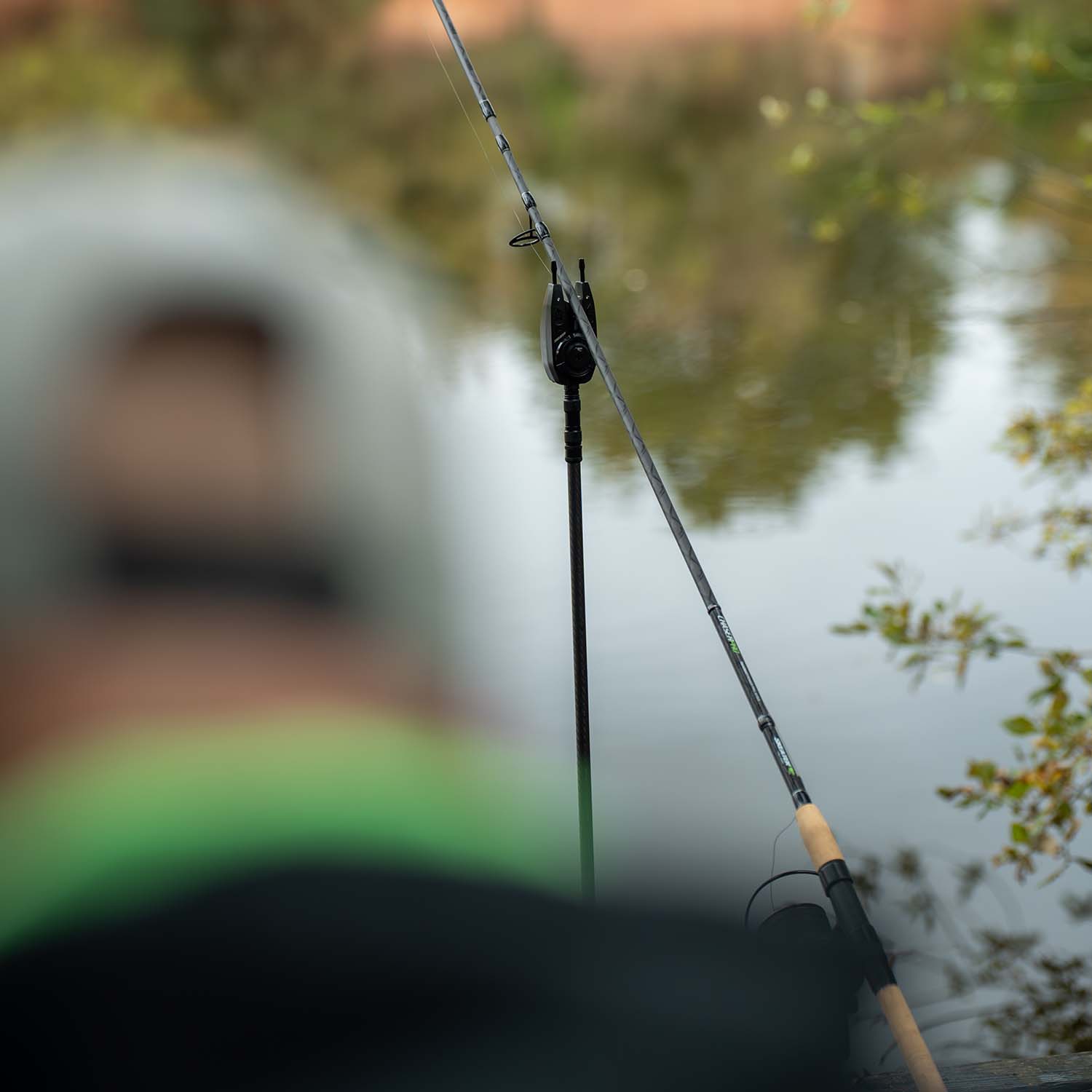
Winter pike fishing demands rods that provide excellent sensitivity to detect subtle bites or nibbles. A rod with a moderate to fast action helps you feel the lightest taps in cold water while still giving enough backbone to drive hooks effectively.
- Length: 7 to 9 is ideal for control and casting
- Power: Medium-heavy to heavy, to handle big pike but also finesse presentations
- Sensitivity: Look for rods designed to transmit subtle action from lines and lures
2. Low-Visibility, High-Quality Line and Leaders
Pike can be extra wary in winter, so use a low-visibility fishing line like fluorocarbon or thin braided line paired a, abrasion-resistant leader.
- Line: 10–20 lb fluorocarbon or 1525 lb braid works well depending on water clarity and structure
- Leader: Steel or fluorocarbon leaders (25–40 lb) protect against the pike’s sharp teeth- Keep knots tight and use reliable like the Palomar or improved clinch for security
3. Effective Terminal Tackle: Hooks, Swiv, and Weights
Choosing the right terminal tackle boosts hookup rates and presentation:
- Use sharp, corrosion-resistant hooks sized appropriately for your bait (size 2/0 to 6/0 depending on bait size)
- Agile, low-friction swivels prevent line twists and ensure smooth action of your bait or lure
- Use heavier weights (up to 100g or more) to hold bottom position in cold currents or deeper water—round leads help avoid snags
4. Bait and Lures Tailored for Winter Conditions
Winter pike respond best to natural, slow-moving bait presentations:
- Deadbaits and soft plastics suspended or slowly retrieved mimic sluggish prey
- Use muted, natural colors like silver, brown, and
- Keep bait movements slow and subtle, reducing excessive splashing or jerky motions
Additional Tips to Enhance Your Winter Pike Fishing Success
- Fish during low light conditions like dawn or dusk, pike become more active
- Focus on structured locations such as drop-offs, weed edges, or submerged logs where pike hold
- Use sensitive electronics to locate fish and structure, improving your presentation accuracy
- Dress warmly and ensure your tackle box contains ice scrapers and rod holders adapted for winter use
Conclusion: The Right Tackle is the Key to Winter Pike Fishing Success
Winter pike fishing tests your skills and choices like no other season. Selecting sensitive rods, low-visibility, strong leaders, and precise terminal tackle tailored for cold conditions dramatically improves your chances for a rewarding catch.
With the right gear and a patient, thoughtful approach, you’ll increase your hookup rate and enjoy thrilling battles even in the coldest months.