Deadbait Presentation for Pike Fishing: Bottom, Popped-Up, or Suspended?
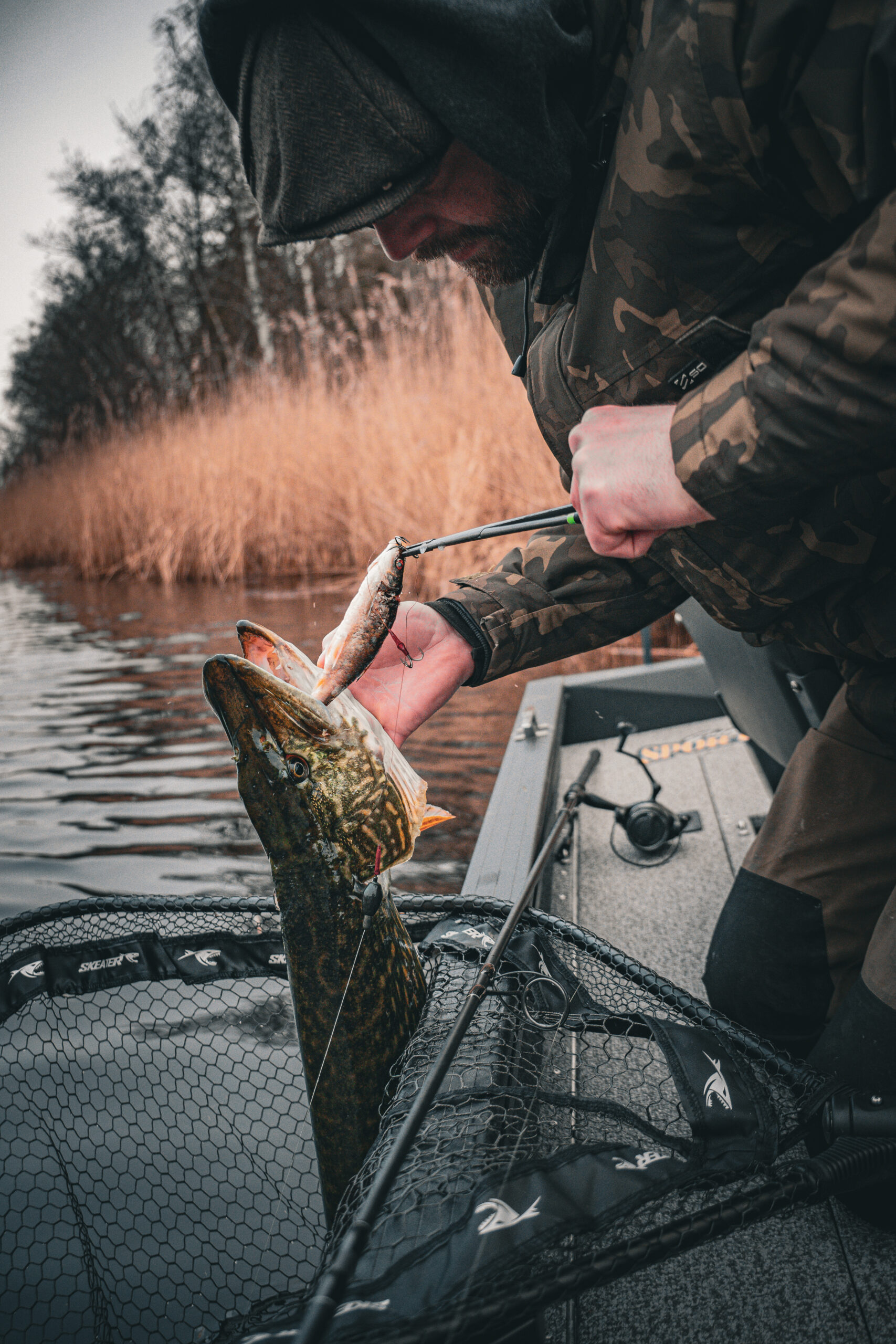
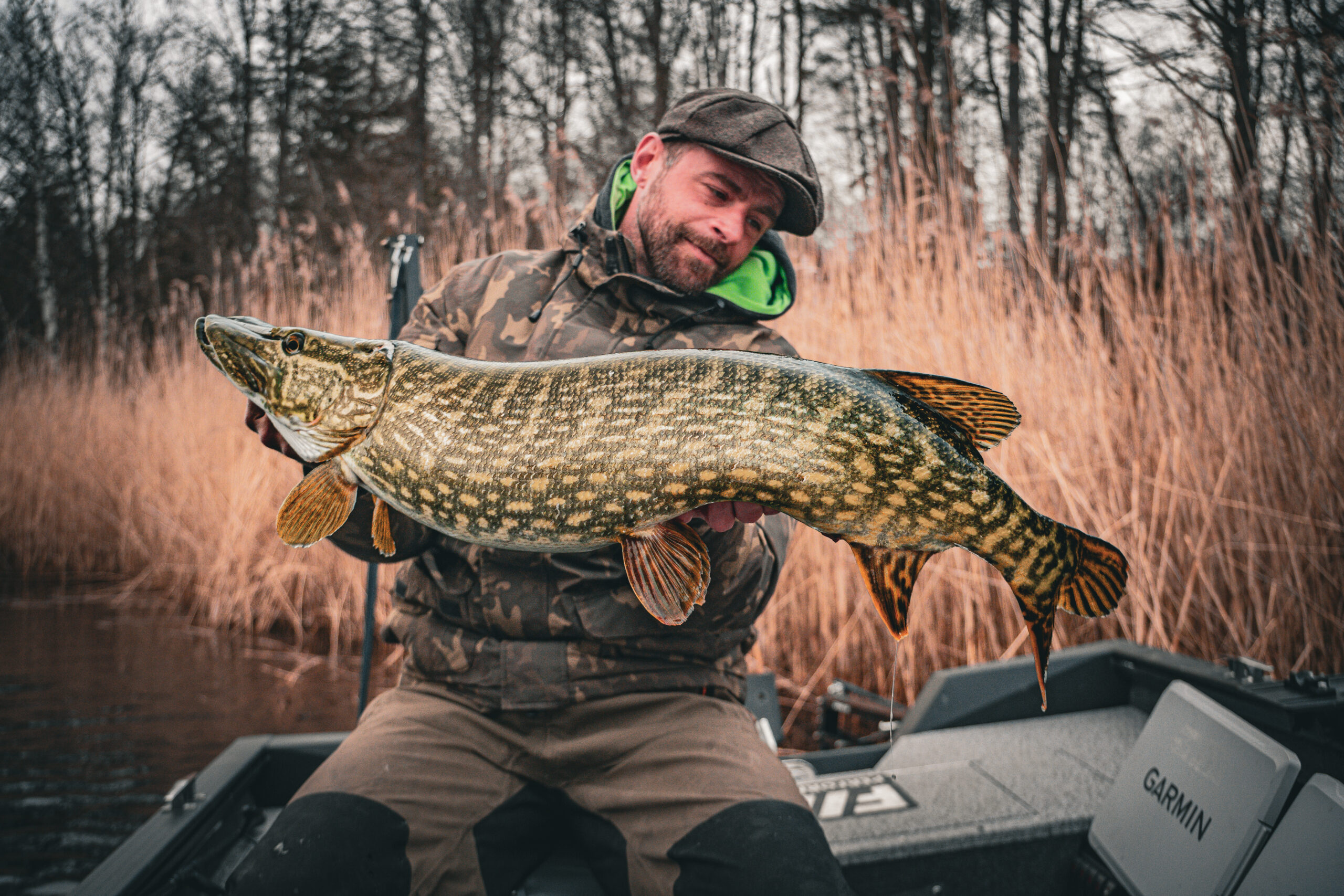
Deadbait fishing is widely regarded as the most effective way to catch your first 20lb pike. Big pike are lazy but efficient hunters—they expend less energy than the calories they consume. This makes deadbait the perfect easy meal with minimal effort, attracting more strikes from large predatory pike.
When it comes to deadbait presentation for pike fishing, deciding whether to fish the bait on the bottom, popped up, or suspended depends on key factors like water conditions, bait choice, fish behavior, and fishing pressure. Here’s a detailed and SEO-friendly guide to help you choose the best rig and presentation for your pike fishing success.
Fishing the Bottom: Classic and Effective Pike Deadbait Presentation
Bottom fishing with deadbait is a tried-and-true technique, especially effective when shore fishing statically, waiting for pike to approach.
– Ideal during colder months (late fall, midwinter, early spring) when pike are more inactive.
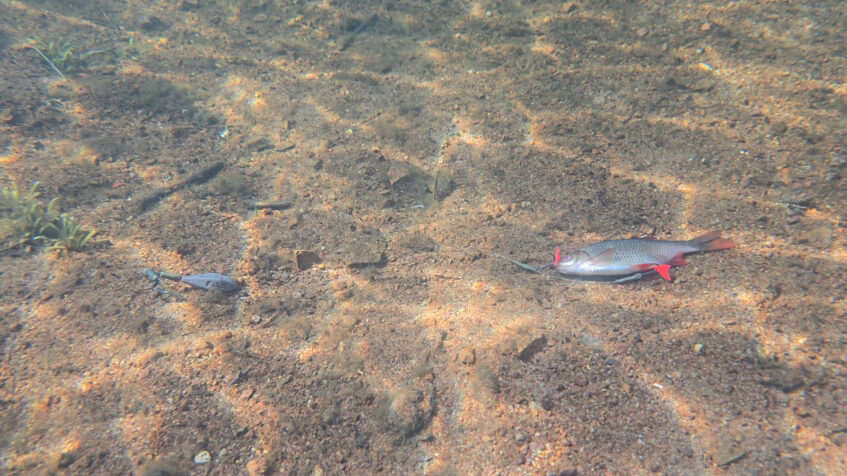
– A deadbait lying on the lake or riverbed looks natural, imitating a dying or dead prey fish—something artificial lures rarely replicate.
– Use heavier leads (85–120g or 3–5oz) to keep your bait firmly on the bottom, important in rivers or lakes with current.
– Best spots include edges or slopes where shallow water meets deeper areas, or just outside weed beds where pike ambush prey. This places the bait right on the pike’s dinner table.
Popping the Bait Up Off the Bottom: Enhanced Visibility & Attraction
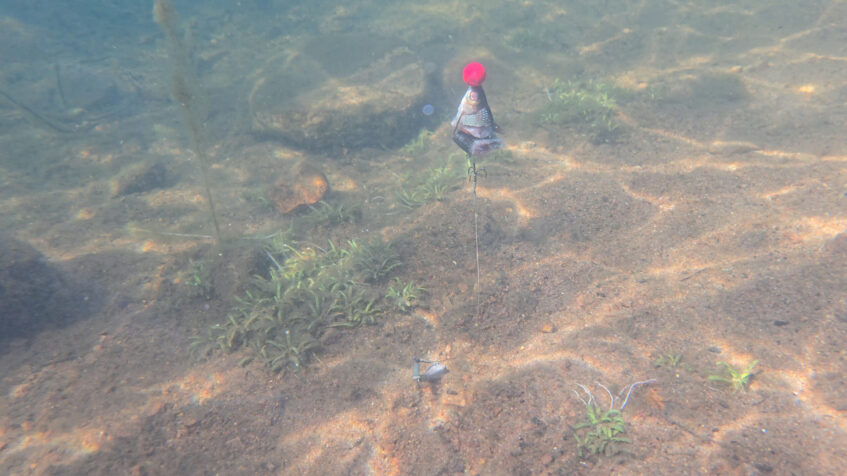
Popping your deadbait a short distance above the bottom offers more bait visibility and triggers more aggressive strikes, especially useful in shore fishing setups.
– Works very well in silt or mud-bottomed rivers and lakes where a bottom-resting bait might blend or get lost.
– If you use a buoyant popped-up deadbait (like foam or air-filled), the lead sinks into the mud while the bait stays suspended slightly above.
– Natural wiggling caused by current makes the bait look alive or injured, enticing strikes from waiting pike.
– Perfect for fishing near snags or debris without getting tangled.
Suspended Bait Under a Float: Great for Covering Water and Locating Pike
Suspending the bait in mid-water – often with a float or during boat fishing – imitates injured or struggling prey and helps cover more water, increasing your chances of finding pike.
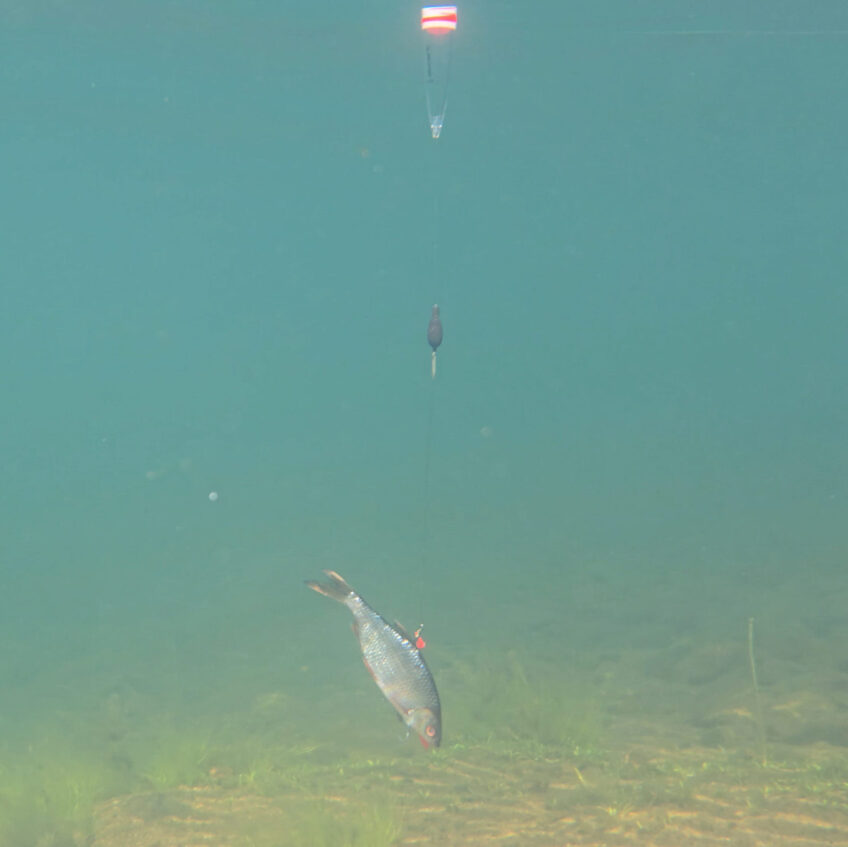
– Especially effective in warmer, clearer water where pike actively chase baitfish at different depths.
– Use slow trolling with electric motors or oars to move your bait gently around likely pike holding areas.
– Float setups are beginner-friendly and great for exploring unknown waters.
– Can be effective when fishing from shore when current or wind moves the bait naturally.
Which Deadbait Presentation Method Should You Choose?
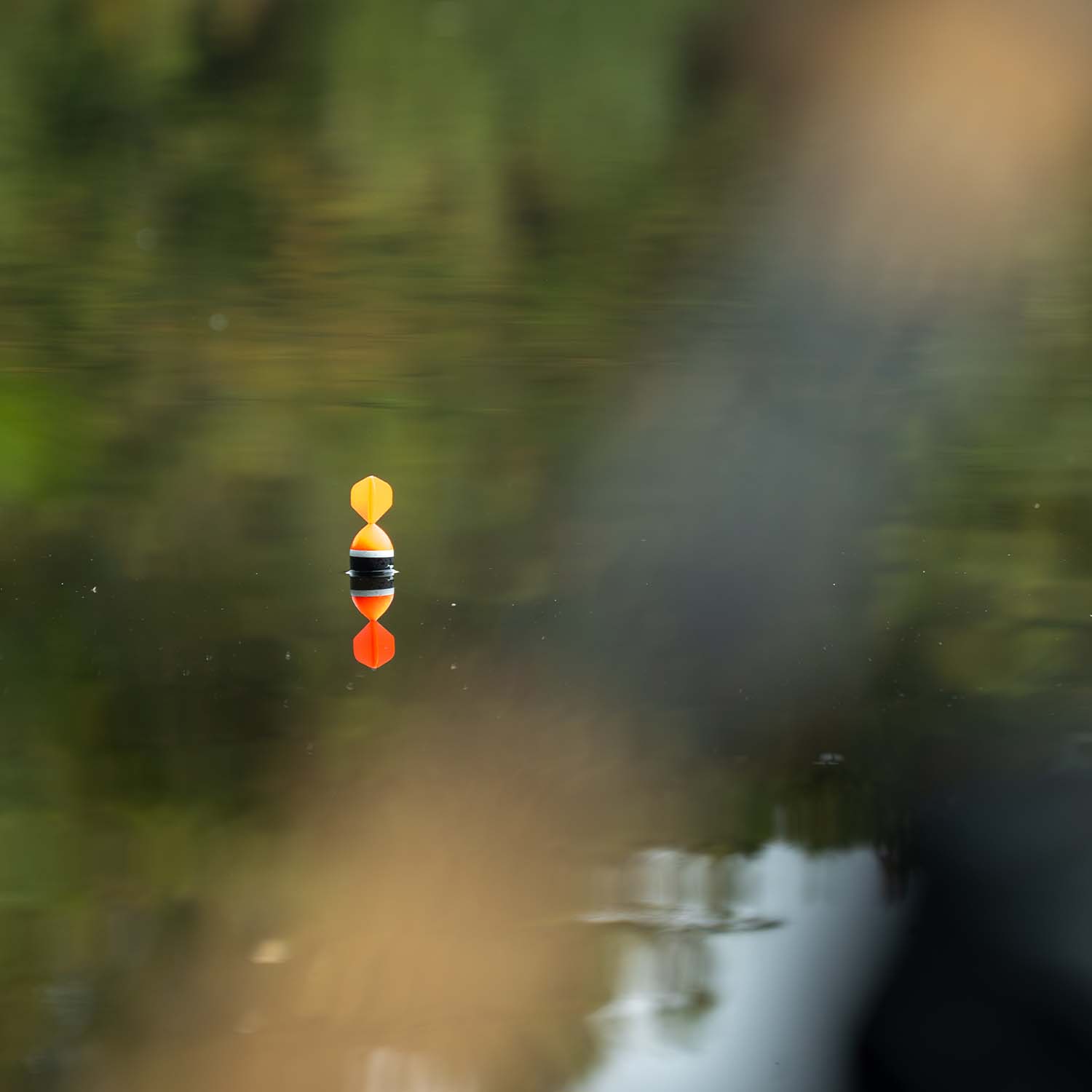
Suspended Presentation: A great classic introduction to deadbait fishing. Float fishing requires minimal tackle and knowledge, letting the current do the work. Move your bait up or downstream to find where the pike are holding.
Bottom Fishing: Offers the most natural bait presentation and is a perfect method to advance to once you’re comfortable. Place your bait strategically in open spots away from snags for best effect.
Popped-Up Bait: Ideal when fishing among bottom snags, soft substrates, or rivers with debris. With the right rig, you can fish almost anywhere confidently.
Final Considerations for Deadbait Pike Fishing
Experiment with all three deadbait presentations based on water conditions and pike behavior. Small adjustments in bait position or rig style often make the difference between a quiet day and a great pike catch.
For more in-depth advice on rigs and setups, explore our other fishing blogs and articles packed with expert tips to help you catch more pike.